
FDA Packaging Guidelines for Food & FMCG Brands
If you are a food or FMCG brand targeting the United States market, FDA-compliant packaging is not optional—it is a legal and commercial necessity. Non-compliant packaging can lead to product recalls, import refusals, penalties, and loss of consumer trust.
This complete guide explains FDA packaging guidelines in a clear, practical way and highlights how professional packaging design plays a critical role in compliance and brand growth.
What Is the FDA and Why Packaging Compliance Matters
The U.S. Food and Drug Administration (FDA) regulates food, beverages, dietary supplements, cosmetics, and many FMCG products sold in the United States. Packaging is a core part of FDA oversight because it directly impacts:
- Consumer safety
- Product transparency
- Accurate nutrition and ingredient disclosure
- Protection from contamination and tampering
For brands entering or scaling in the US market, FDA-compliant packaging is essential for retail approval, customs clearance, and long-term brand credibility.
FDA Packaging Guidelines: Key Requirements
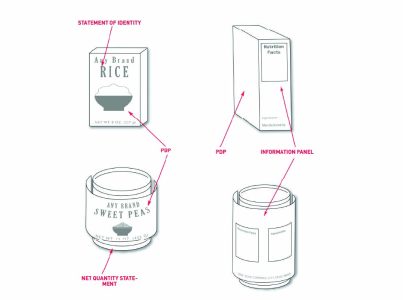
1. Principal Display Panel (PDP)
The Principal Display Panel is the front-facing area most visible to consumers. FDA requires this panel to include:
- Product name (common or usual name)
- Net quantity of contents (weight, volume, or count)
- Clear, readable typography
Poor layout or incorrect font sizing on the PDP is one of the most common compliance mistakes.
2. Nutrition Facts Label (Mandatory Format)
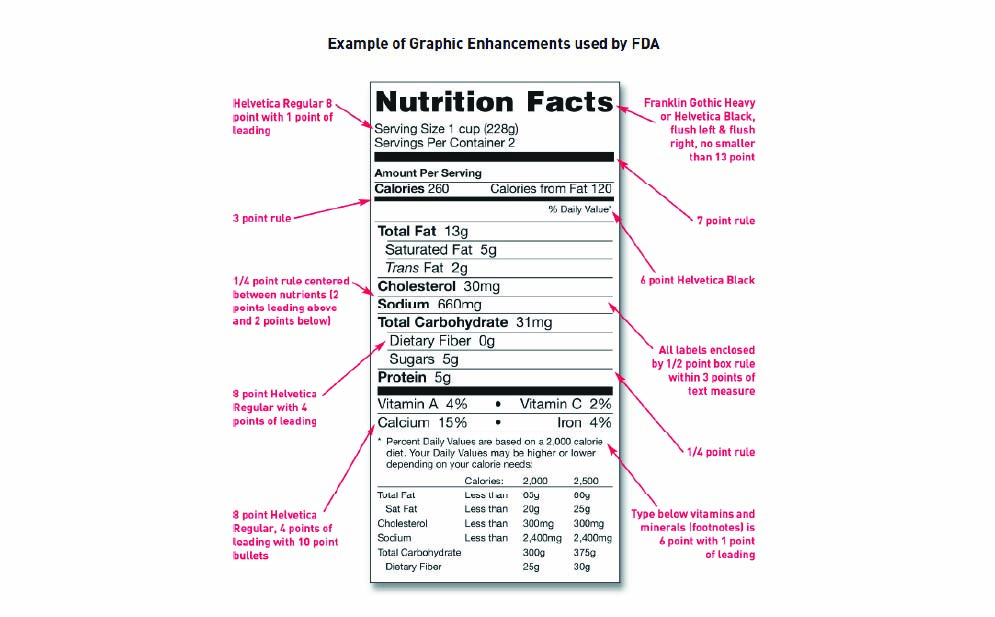
FDA mandates a standardized Nutrition Facts label for most food products. Key requirements include:
- Serving size based on FDA reference amounts
- Calories prominently displayed
- Mandatory nutrients (fat, sodium, carbohydrates, protein, etc.)
- Updated FDA format (post-2020 regulations)
Incorrect spacing, alignment, or values can result in FDA rejection—even if the data itself is correct.
3. Ingredient List Rules
Ingredients must be:
- Listed in descending order by weight
- Written using FDA-approved common names
- Free from misleading or marketing-only terms
Allergens must be clearly declared under the Food Allergen Labeling and Consumer Protection Act (FALCPA).
4. Manufacturer, Packer, or Distributor Information
FDA requires:
- Company name
- City, state, and ZIP code
- Country of origin (for imported products)
This information must be accurate and consistently placed on the packaging.
5. Claims and Marketing Language
FDA strictly regulates claims such as:
- “Organic”
- “Natural”
- “Low fat”
- “Sugar-free”
- “Healthy”
Unsubstantiated or improperly placed claims can trigger FDA warning letters. Packaging design must visually separate regulated information from promotional content.
6. Tamper-Evident & Safety Packaging
Certain food and FMCG products require:
- Tamper-evident seals
- Child-resistant features (where applicable)
- Food-grade, FDA-approved packaging materials
Packaging structure and material selection are as important as visual design.
Common FDA Packaging Mistakes to Avoid
- Incorrect Nutrition Facts layout
- Illegible font sizes
- Missing allergen declarations
- Overcrowded design that hides mandatory information
- Using outdated FDA label formats
Many brands fail compliance not because of bad products, but because of poor packaging execution.
How Professional Packaging Design Ensures FDA Compliance
FDA compliance is not just a regulatory task—it is a design discipline.
A professional packaging designer ensures:
- Correct label hierarchy and spacing
- Retail-ready, FDA-aligned layouts
- Seamless balance between branding and compliance
- Print-accurate, production-ready files
Well-designed compliant packaging reduces risk, accelerates approvals, and strengthens consumer trust.
FDA Compliance for International & FMCG Brands
If you are an international brand exporting to the US, FDA packaging compliance is even more critical. US customs and retailers closely review:
- Label accuracy
- English language requirements
- Measurement units (US standard)
Working with an experienced packaging design partner can prevent costly redesigns and shipment delays.
Why FDA-Compliant Packaging Builds Brand Trust
Modern consumers expect transparency. FDA-compliant packaging:
- Signals professionalism
- Builds retail credibility
- Reduces legal risk
- Improves shelf confidence
Compliance is not a limitation—it is a competitive advantage.
Need FDA-Compliant Packaging Design?
If you are launching or scaling a food or FMCG brand for the US market, professional packaging design is critical.
I specialize in FDA-compliant food & FMCG packaging design that balances:
- Regulatory accuracy
- Retail appeal
- Brand differentiation
Whether you need a full packaging system, Nutrition Facts layout, or compliance-ready redesign, I can help you move forward with confidence.
Get in touch today to discuss your FDA-ready packaging project.
Final Thoughts
FDA packaging guidelines are complex—but with the right design approach, they become manageable. Investing in compliant, strategic packaging protects your brand and positions your product for long-term success in competitive FMCG markets.
Compliance first. Design smart. Sell confidently.